
Written and video instructions for how to dehydrate fruit in a dehydrator or oven. Learn how to dehydrate fruit for many uses, including: preserving, decorating, simmer pots, gifting, and more!
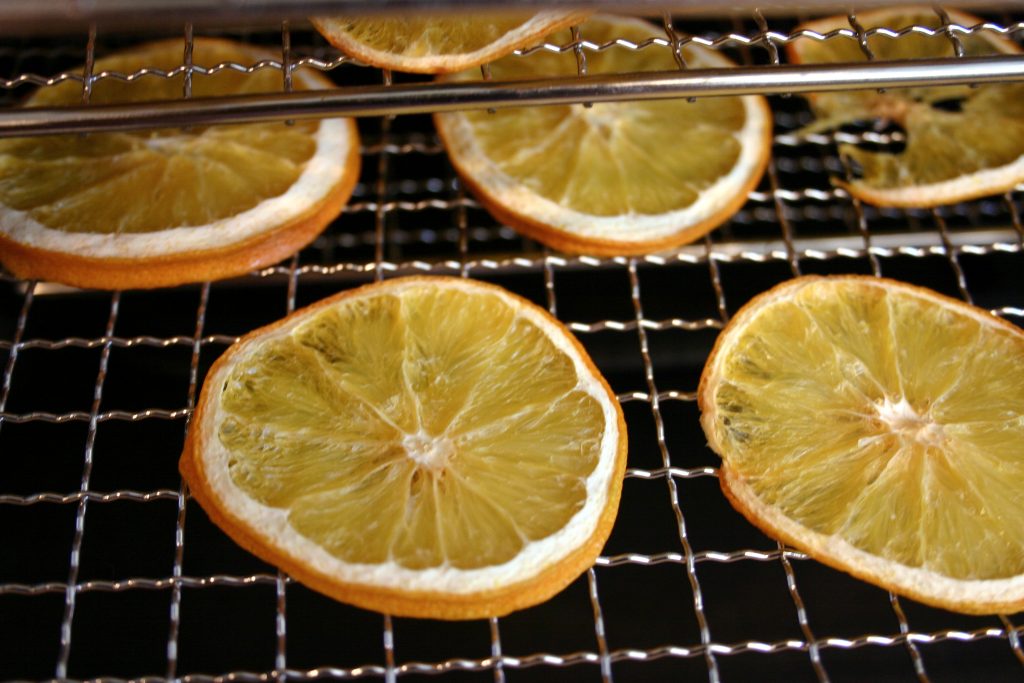
Dehydrating fruit is a simple way to preserve fruit and use it as décor throughout the winter season! Dehydrated fruit is sure to add charm to your home in a simple and affordable way. The process is very hands off, making it an easy activity that you can complete in your free time. Your entire family is sure to love the addition of dehydrated fruit this winter season!

YouTube Video for How to Dehydrate Fruit in a Dehydrator or Oven
If you prefer video instructions, watch this YouTube video on dehydrating fruit!
Materials for How to Dehydrate Fruit in a Dehydrator or Oven
There is very little needed to dehydrate fruit, most of which is probably already at your house!
- A food dehydrator or oven
- Cooking sheets (if using an oven) or the trays that come with a dehydrator (if using a dehydrator)
- Parchment paper
- Cutting Board
- Sharp Knife
- Various fruits: oranges, lemons, apples, cranberries, etc.
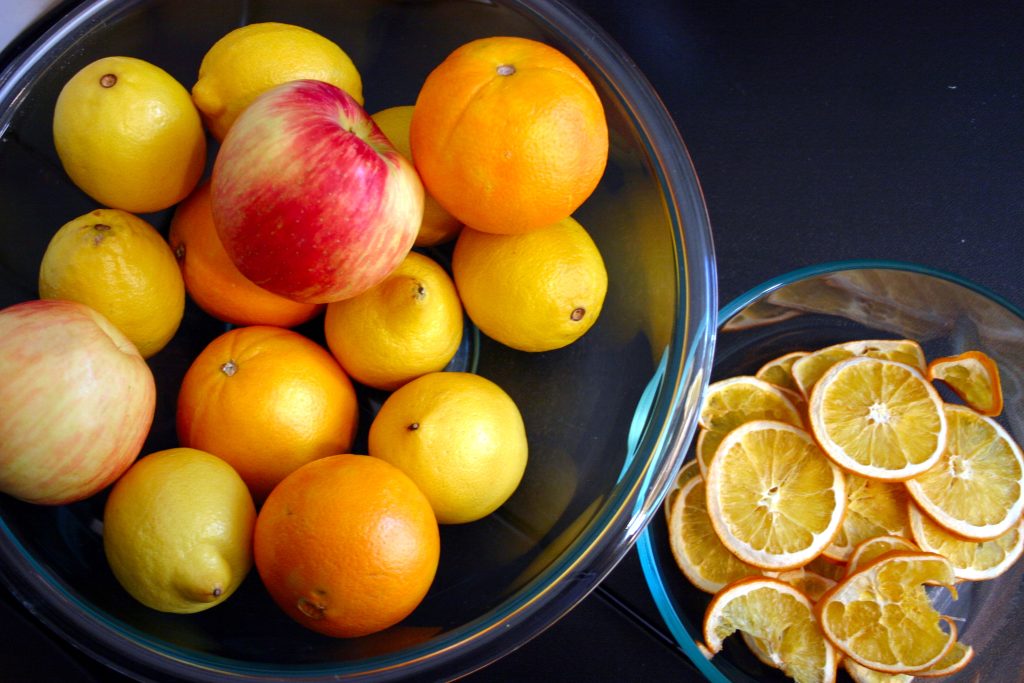
Many of these materials can be found on Amazon:
This post contains affiliate links for your shopping convenience, which means I make a small commission at no extra cost to you . Read the full disclosure here.
How to Dehydrate Fruit in a Dehydrator
Using a food dehydrator is very simple and can be picked up easily. I use the Elite Gourmet EFD-313B Programmable Food Dehydrator, which is a beginner friendly option. It is fairly affordable and a comfortable size to keep on your counter without taking up too much room. As a beginner to dehydrating myself, I found it to be a good option.
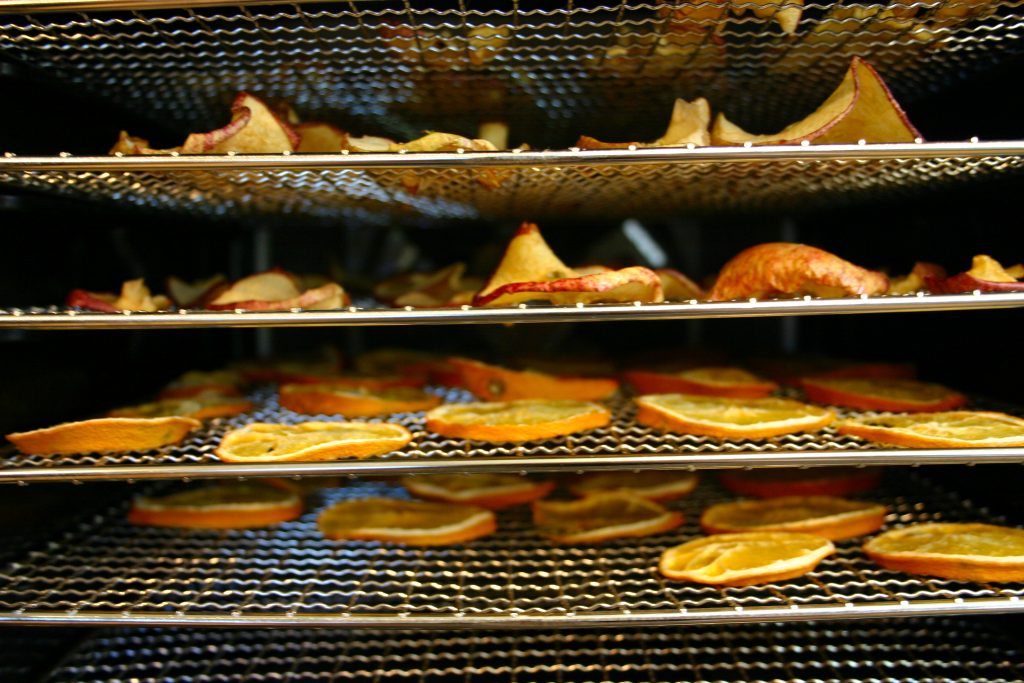
How to use a Dehydrator
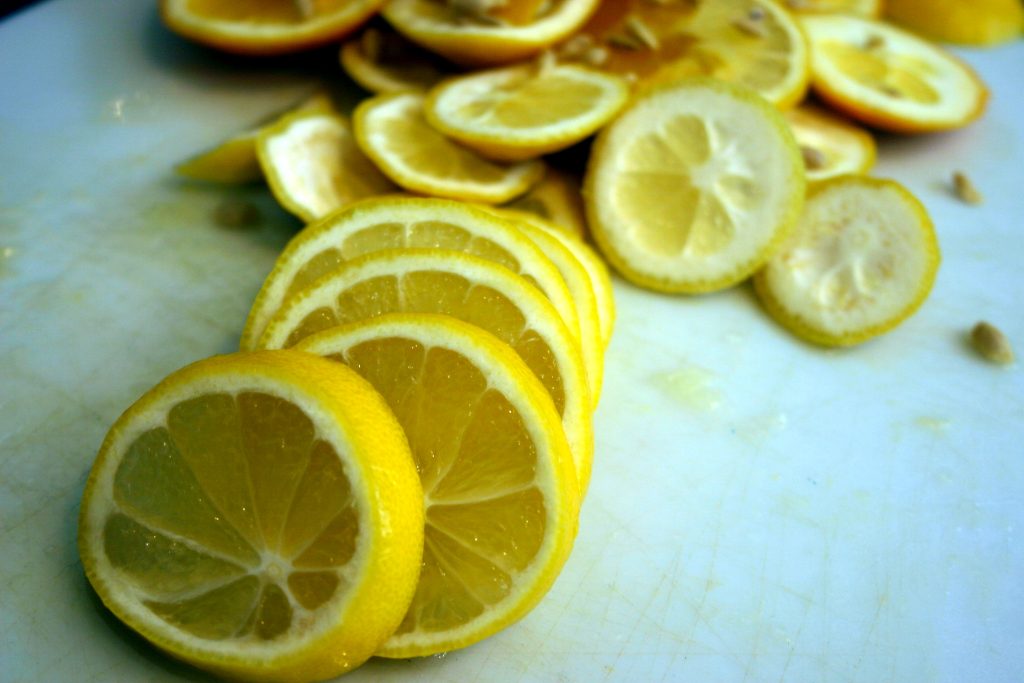
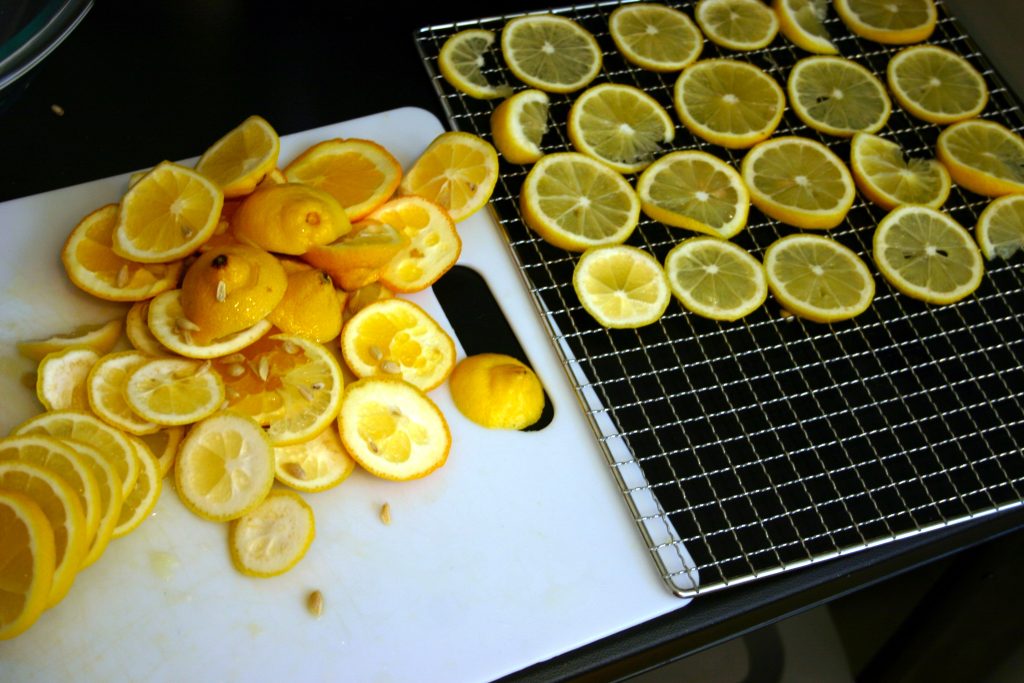
- Cut the fruit as thinly as possible. The thinner the slices, the quicker it will dehydrate.
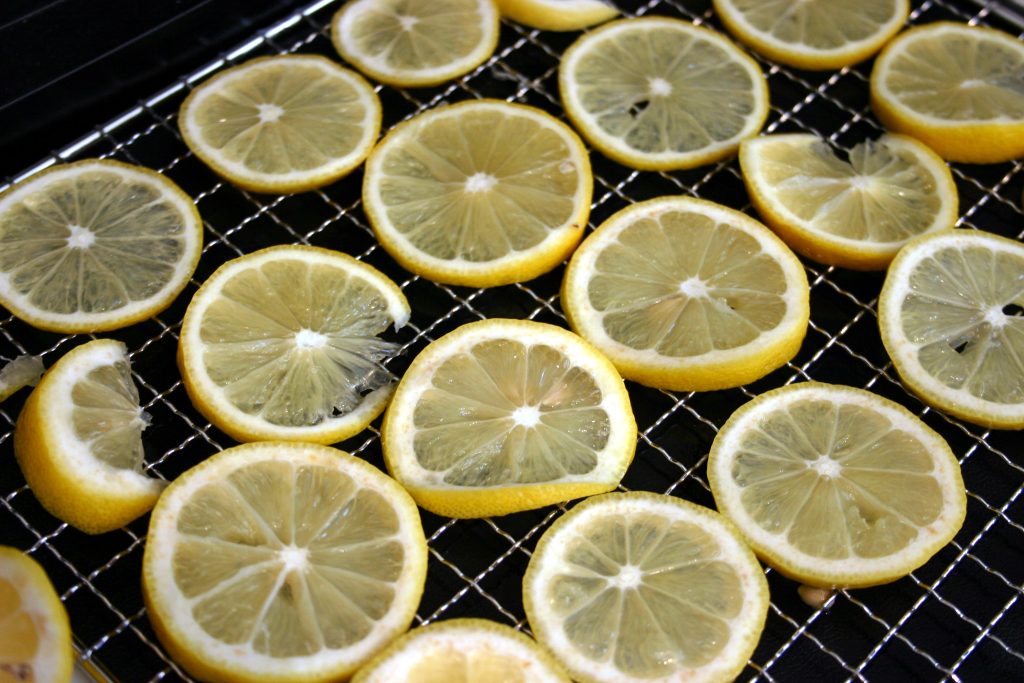
- Place the fruit on the trays that the dehydrator came with. Try not to overcrowd the trays by leaving some room in between the slices of fruit. Overcrowding will make it difficult for the fruit to dry.
- Lining the trays with parchment paper can be a good idea, especially when dehydrating something small, like cranberries, that could fall through the holes in the trays. Using parchment paper will also make for easier cleanup.
- Place the trays of fruit in the dehydrator and turn it on.
- The amount of time and the temperature is determined by the type of fruit and what you want to use it for.
Time and Temperature of a Dehydrator
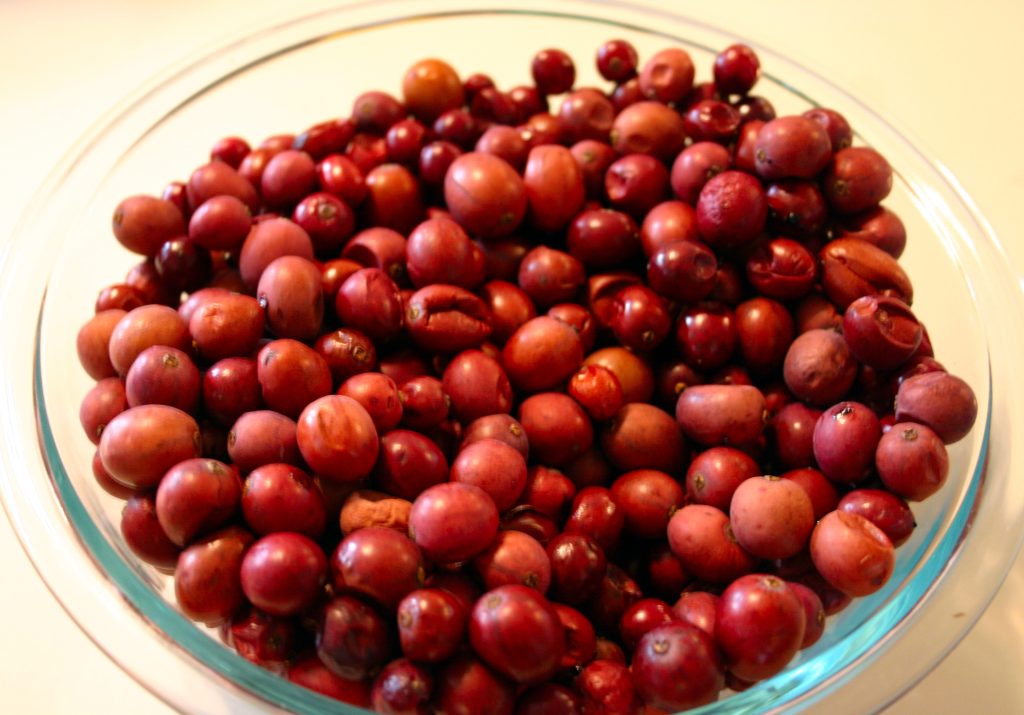
Dehydrating Cranberries
- Temperature: 135-140 degrees
- Time: 4-10+ days. Put the dehydrator on for 24 hours at a time. Check on the cranberries at least once a day to remove any cranberries that have finished dehydrating.
Dehydrating Oranges, Lemons, and Apples
- Temperature: 150-200 degrees
- Time: 6-12+ hours. The thinner the slice, the quicker they dehydrate.
How to Dehydrate Fruit in an Oven
Dehydrating fruit in an oven is very similar to using a dehydrator. It will just be at a high temperature as most oven do not go below 175-200 degrees.
- Preheat the oven to the lowest temperature it will go, typically around 175-200 degrees.
- Cut the fruit as thinly as possible. The thinner the slices, the quicker it will dehydrate.
- Place the fruit on cooking sheets. Try not to overcrowd the sheets by leaving some room in between the slices of fruit. Overcrowding will make it difficult for the fruit to dry.
- Lining the cooking sheets with parchment paper can be a good idea to make for easier cleanup.
- Place the sheets of fruit in the oven and turn it on. Bake the fruit for as long as it takes to fully dry them, checking on them every 2 hours or so. If the fruit is taking longer than a day to dehydrate, simply put them in the refrigerator overnight and begin baking them again the next day.
How to Know the Fruit if Fully Dehydrated
- Cranberries are fully dehydrated when they can be opened or lightly squished and there is no moisture.
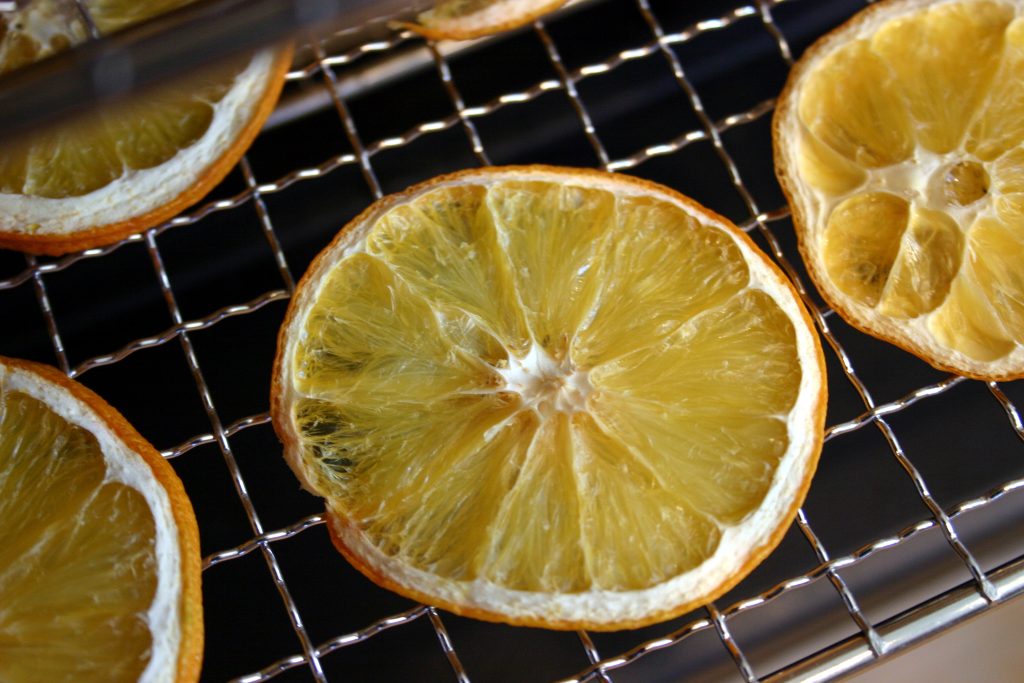
- Oranges and Lemons are fully dehydrated when you can lightly squeeze them and it is no longer sticky.
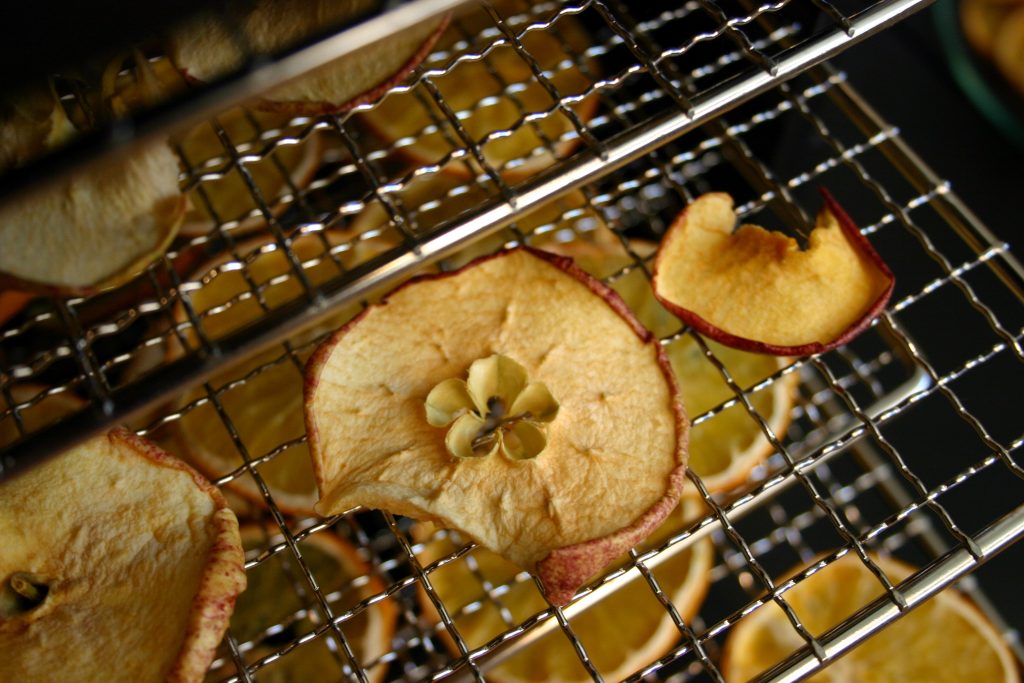
- Apples are fully dehydrated when they feel leathery and have no moisture.
- If you are using your dehydrated oranges, lemons, and apples for decoration, it is okay if they are not fully dehydrated because they will continue to dehydrate as they hang in the window or on the tree. Cranberries should be fully dehydrated before using them as decoration.
How to Use Dehydrated Fruit
Dehydrated Fruit as Decoration!
Dehydrated fruit make an adorable addition to Christmas decoration. It can also stay up throughout the winter season to add a bit of color and life to the home during the colder months. String fruits together to hang them in a Christmas tree, in a window, or on a fireplace mantle and enjoy the cozy feeling all winter long!


Dehydrated Fruit as Food Preservation!
Dehydrating fruit is a great way to preserve it to eat in later months. For longer term storage, make sure the food is as dehydrated as possible. Place it in a mason jar with an oxygen absorber and vacuum seal the jar. It will keep for months! This method of preservation will be best suited for the apples.
Get some of the preservation materials here:
Dehydrated Fruit as a Simmer Pot!
Add any dehydrated fruit you make and some spices or essential oils to a pot of water and simmer it on the stove. It will create a comforting, warm scent throughout your home the entire winter season!
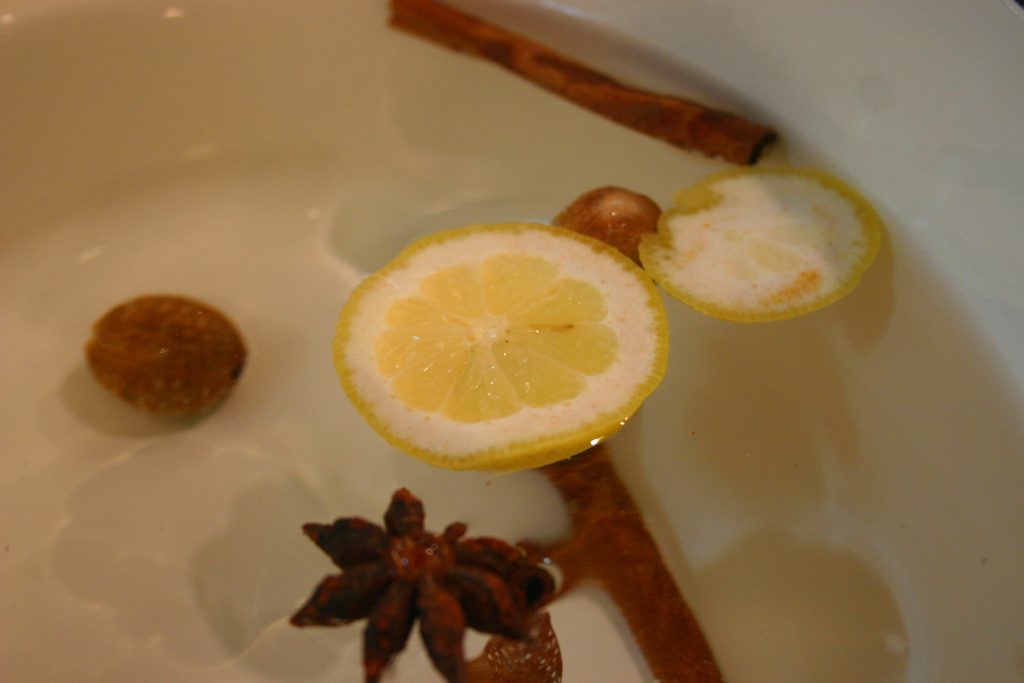
Additionally, you can also use this simmer pot as a gift idea. Simply put the dehydrated fruit and spices in a mason jar to give to others with the instructions to add it all to a pot of water. An easy, affordable gift idea!
Related Posts to How to Dehydrate Fruit in a Dehydrator or Oven
How to Make Cranberry and Popcorn Garland
Decorating for Christmas in a Cottage with Natural, Affordable Elements
An Easy Winter Simmer Pot With Dehydrated Fruit
Pin for Later!


Leave a Reply